
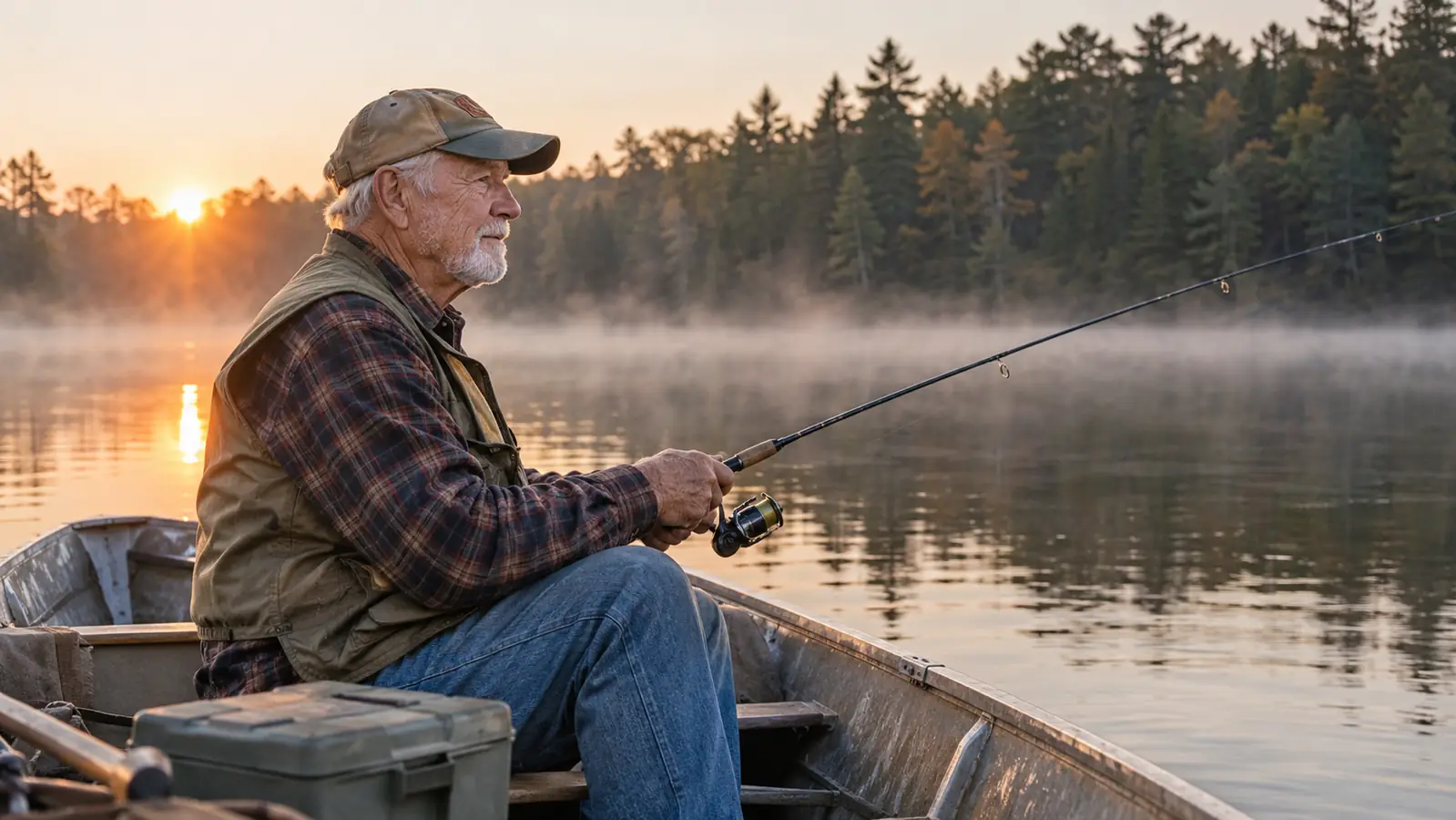
The line on my reel was three seasons old and I knew it. I had been telling myself it was fine since the ice went out. Then a crappie took my jig under the dock at a small lake west of Kalamazoo, and the line snapped between the reel and the first guide.
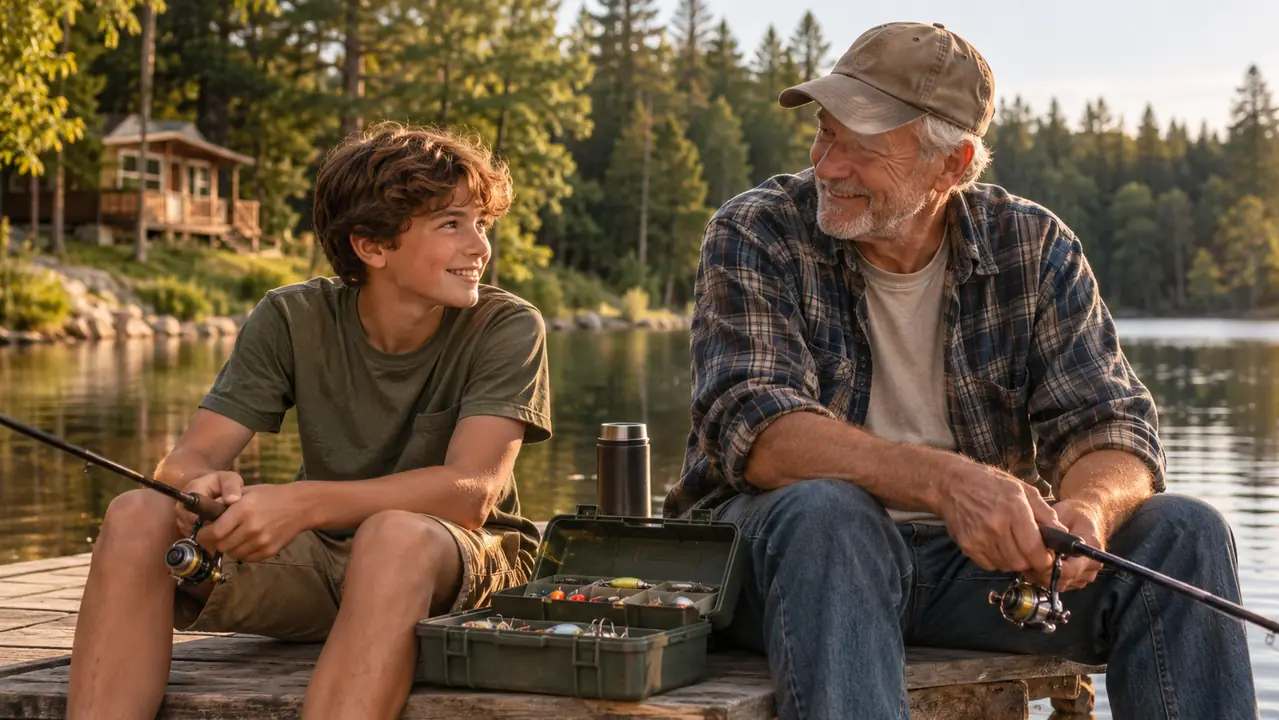
Tyler was with me that morning, twelve years old and already better at reading water than I am at reading my own truck's dashboard. He watched the slack line curl away and said, very politely, 'Grandpa, that was a good fish.' He was right. It was a good fish, and it was gone because I had been too stubborn to respool.
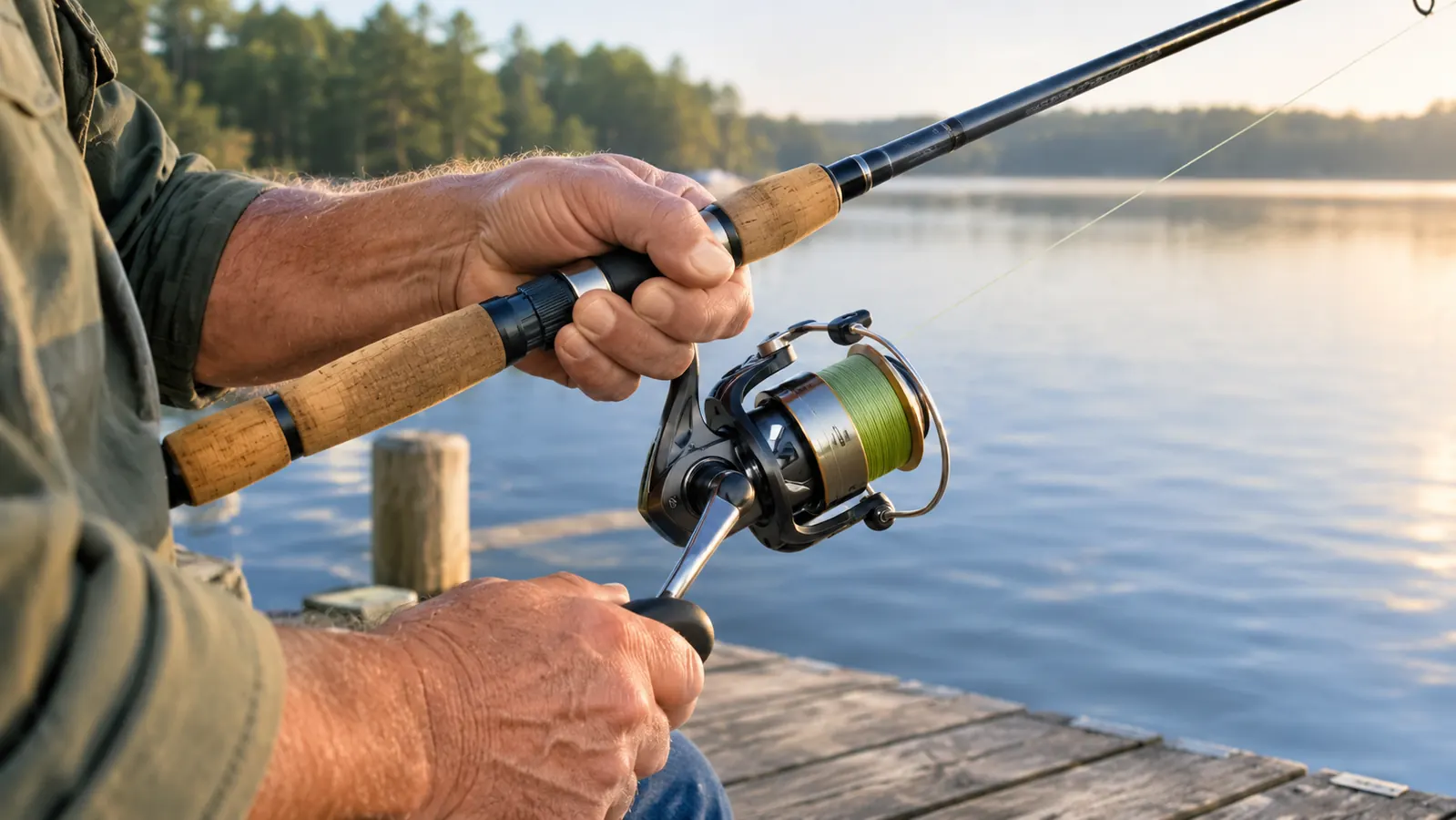
I have fished most of my life and got fussy about gear after I retired from the machine shop. My setup is not fancy: a fourteen-foot aluminum jon boat, a small trolling motor, an older pickup that hauls it, and a few rods that have been respooled more times than I can count. Lately they all carry Berkley Trilene XL, and I will get to why.
For years I bought whatever monofilament sat closest to the register and treated it like it was permanent. It is not. Line is a wear item, same as a brake pad. Sun, heat, and a few hundred casts through the same guides will take the life out of it, and the failure stays quiet right up until it does not.
What went on my reels was 6-pound test Berkley Trilene XL, 330 yards on the spool, at a diameter of 0.22 millimeters. The diameter is the number I care about more than the pound rating, because it decides whether a light jig sinks the way it should or planes around in the wind like a kite.
Spooling took ten minutes on the porch. I ran it off the factory spool the way my dad taught me, keeping tension with a thumb and a pencil through the hole. No soaking, no line treatment, nothing special. Just a careful wind and a check that the line lay even across the arbor.
Six-pound Berkley Trilene XL on a light rod is the first line in years that made me stop thinking about the line.
Stop losing good fish to last season's line
6-pound test, 330 yards on the spool, 0.22 millimeter diameter, and it comes off the reel smooth instead of fighting you. This is the spool I keep buying.
Amazon Check Today's Price on Amazon →The first real test came on a river smallmouth trip in June. I had the 6-pound Berkley on a light spinning rod with a small tube jig, working the edge of a current seam. The fish took it on the fall and went straight downstream. On heavier line I would have winched it in and learned nothing. On this line I had to fight it, which is the whole reason I go.
What I noticed over that month was how little the line asked of me. It came off the spool smooth and I stopped getting the little loops and tangles I used to fight in the first hour of a trip. The listing calls it easy-casting, and I would agree, with one caveat: any monofilament misbehaves if you overfill the spool. Keep it a hair below the lip and it behaves.
The wet strength claim is the one I doubted. Berkley lists optimal wet strength, meaning the line holds together when it is submerged. I fish jigs deep and I leave the rod in the holder while I eat lunch, so my line spends half the day underwater. After a full summer there was no fray at the guide and no flat spot where the line had been sitting wet.
What it does not do. It is 6-pound line and it knows it. Drag it across a rock ledge and it will scuff. Set the hook like you are starting a stubborn tractor and it will pop. I lost two fish in July to my own bad hooksets and blamed the line both times before I calmed down and admitted it was me.
It also has to be replaced, which is not a flaw, just the deal with monofilament. By September the line on my crappie rod was holding a coil from sitting on the spool all summer. I stripped off the top forty yards and refilled from the same 330-yard spool. That is the practical argument for the bigger spool: one season and one respool out of a single buy.
The other thing worth saying is that 6-pound test is not right for every job. A Texas rig in heavy cover wants heavier line. The piers at South Haven in the fall, with salmon moving, want heavier line. The same Berkley Trilene XL comes in break strengths from 2 pounds up to 30, and the smart move is two spools instead of one spool asked to do everything.
I did take the 6-pound to the piers in October anyway. Cold water, wind in your face, fish with shoulders. It is a compromise there and I will say so plainly. But it cast into that wind better than the stiff old line I had been using, and it landed everything that stayed hooked.
What I'd Tell You If We Were Sitting at My Kitchen Table
I would tell you that the biggest improvement to my fishing in the last five years took ten minutes and no skill at all. It was not a new rod and it was not a new reel. It was throwing away old line and putting on fresh line matched to what I was actually doing with it.
I would tell you to buy the 330-yard spool instead of the small one, because the small one gets you one respool and then you are back at the register. I would tell you to learn one knot and learn it cold, because good line with a bad knot is bad line. And I would tell you that Tyler, who is twelve and does not care one bit about brand names, now asks me to respool his rod with the same Berkley line. That is the review I trust most.
Start the season on fresh line instead of last year's line
6-pound test, 330 yards, 0.22 millimeter diameter, sold at today's price on Amazon. Ten minutes on the porch and you are done.
Amazon Check Today's Price on Amazon →